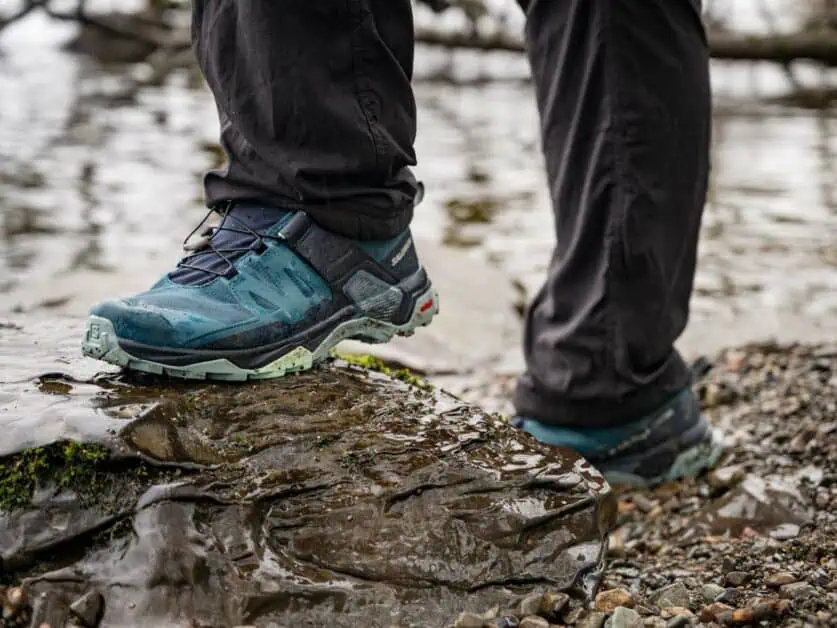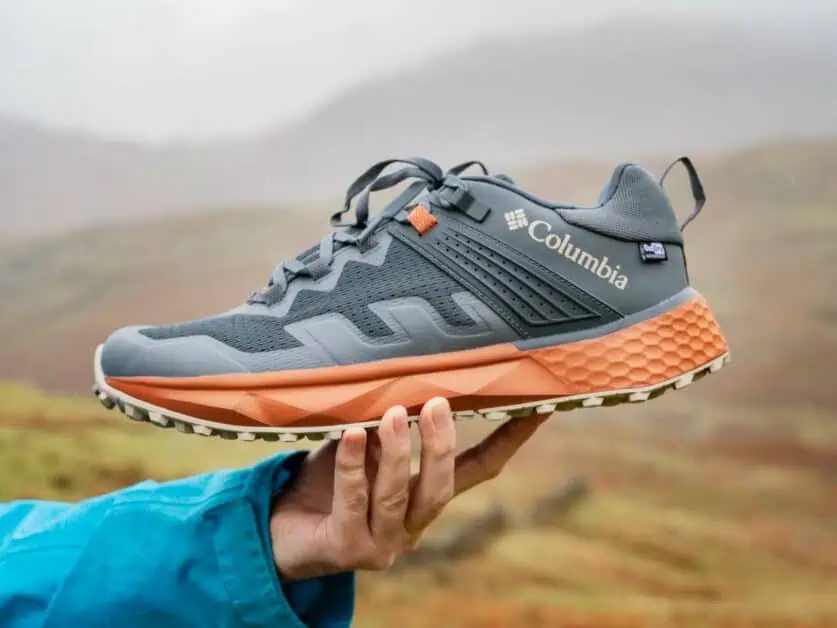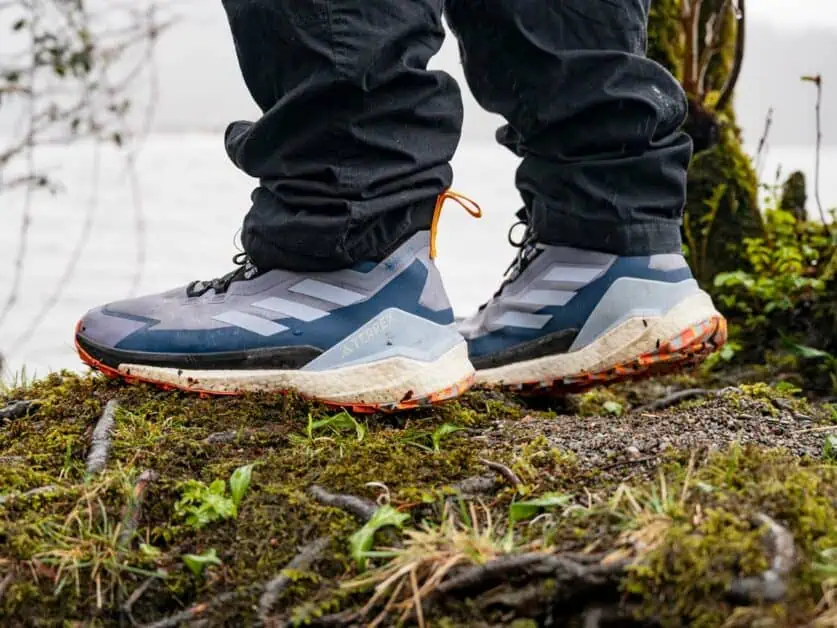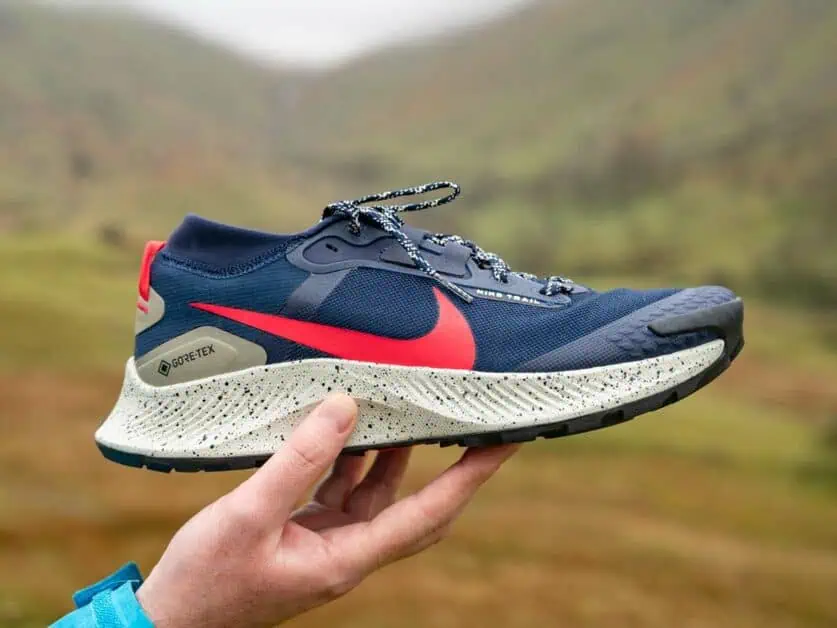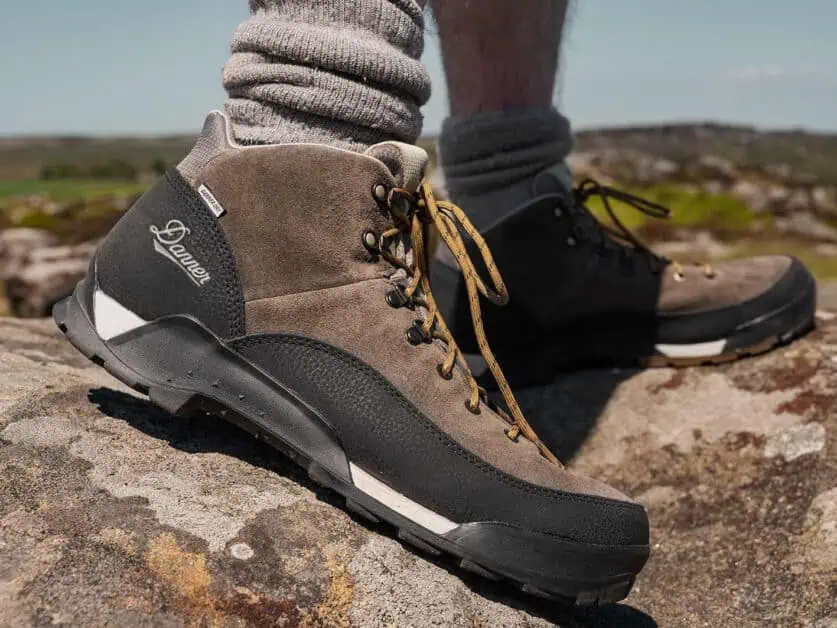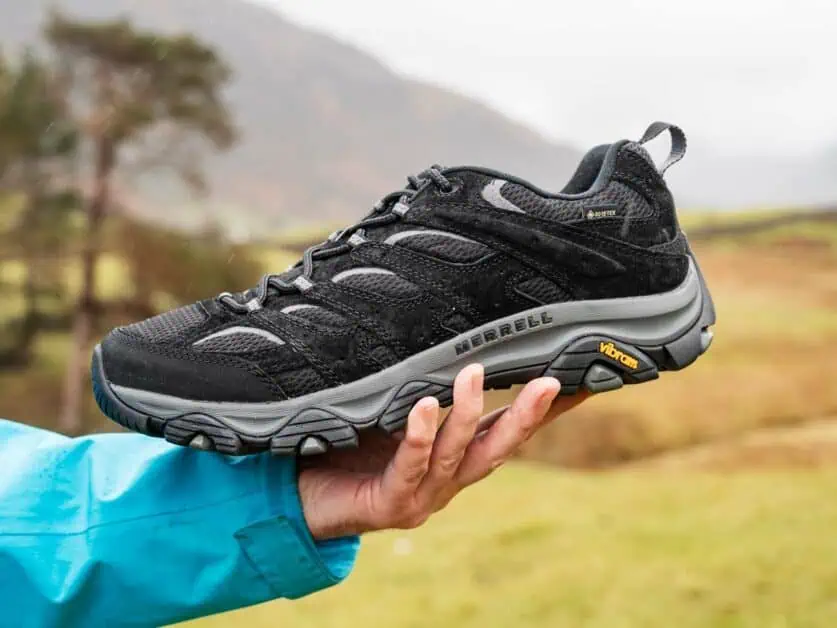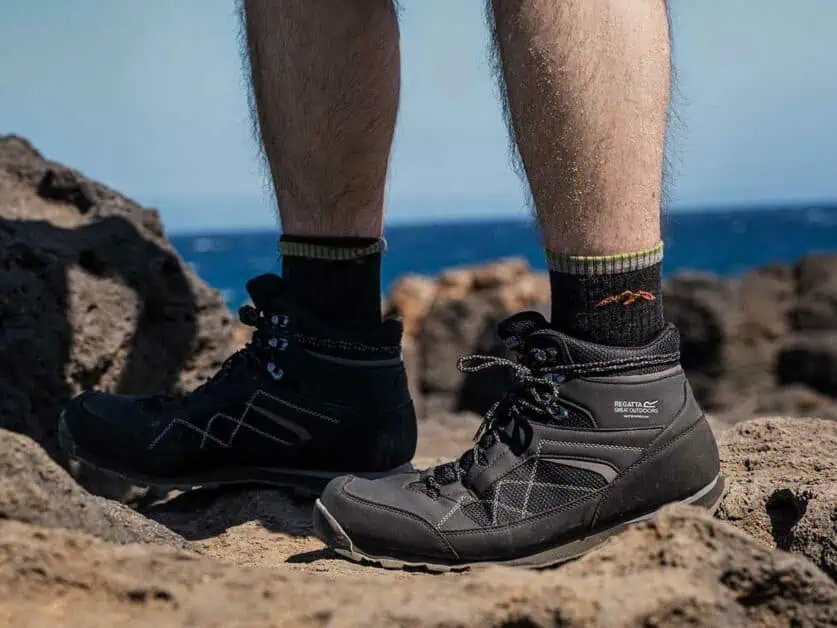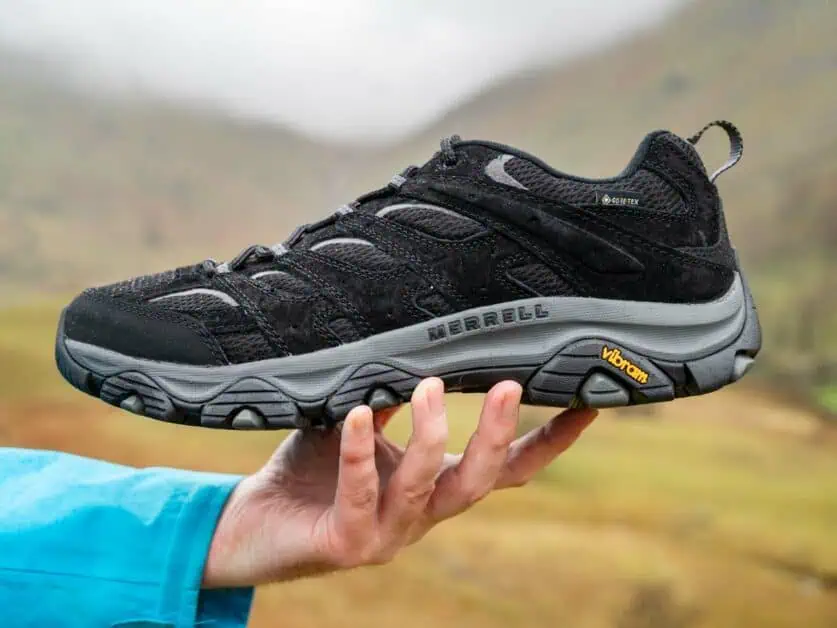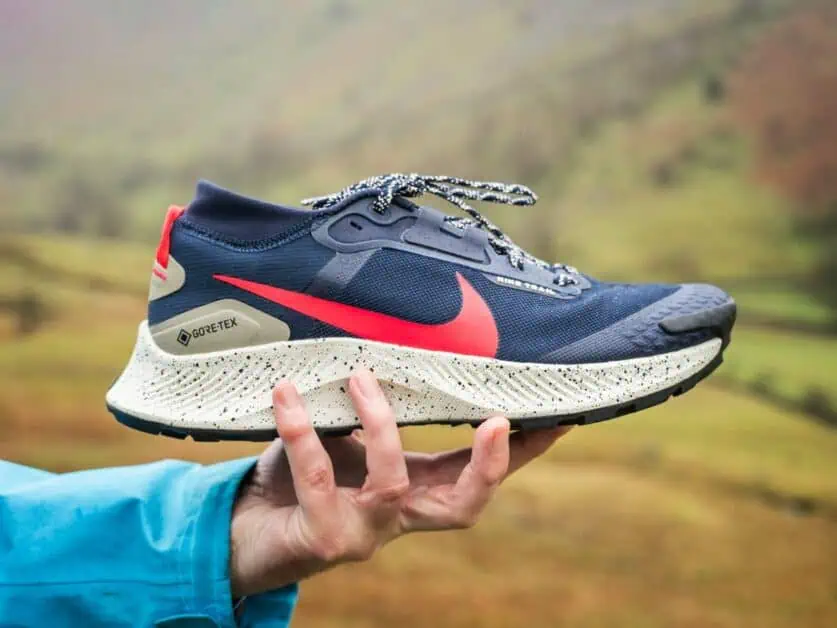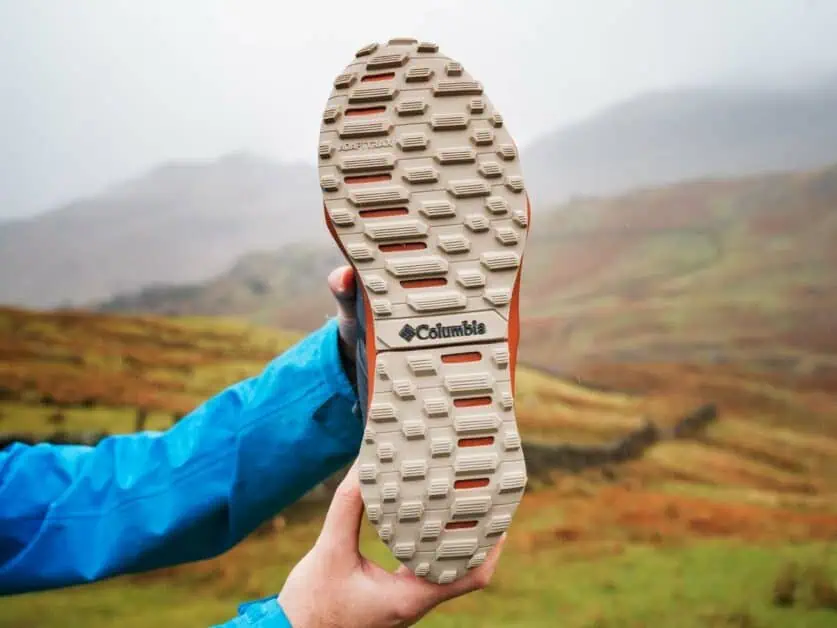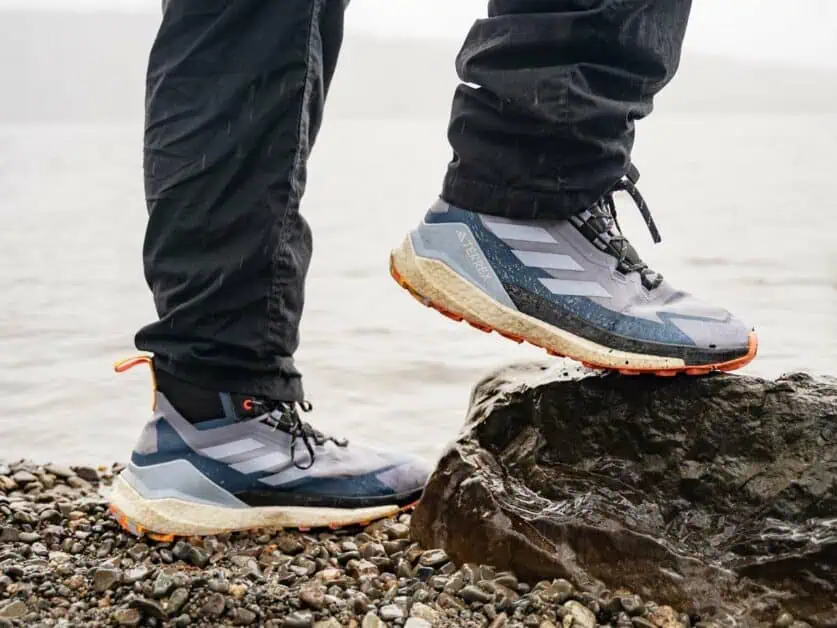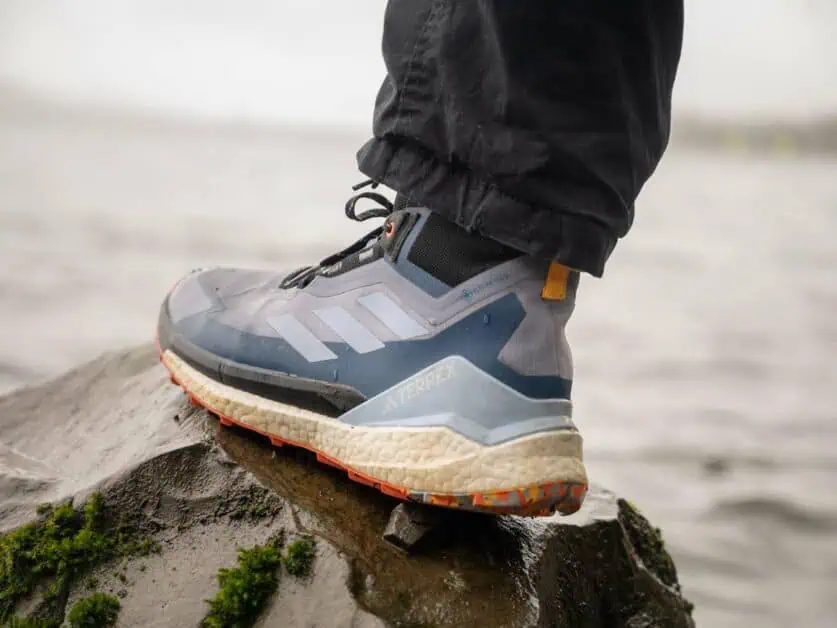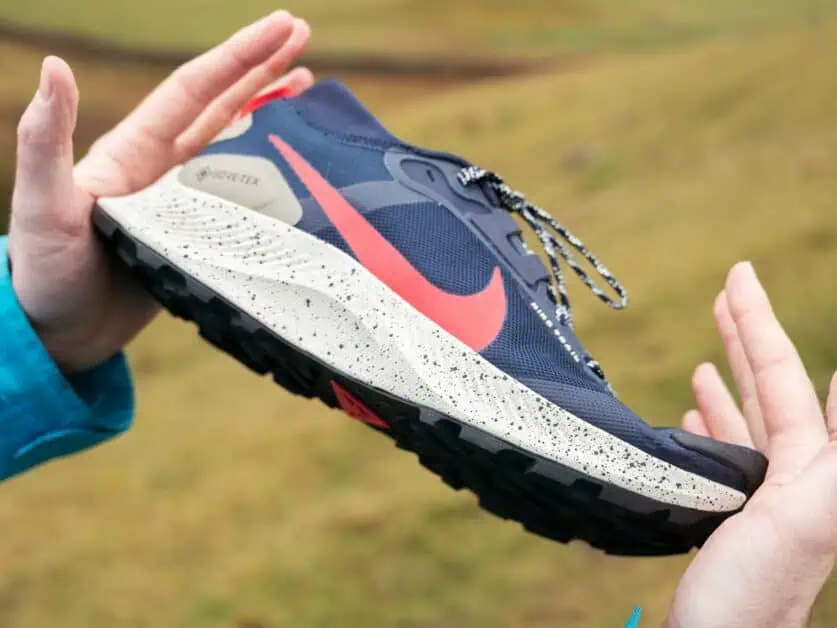
Salomon Men's X Ultra 4 GTX Hiking | Columbia Facet 75 Outdry | Adidas Terrex Free Hiker 2 GTX | KEEN Targhee 3 Waterproof | Hoka Men's Anacapa Aero Low | La Sportiva Ultra Raptor II Mid GTX Hiking Boots | Nike Pegasus Trail 3 | Danner Panorama Mid | Black Diamond Mens Mission Leather Low Waterproof Approach Shoes | Lowa Renegade GTX LO | Regatta Vendeavour Pro | Merrell Moab 3 Waterproof Hiking Shoe | La Sportiva Mens TX Hike GTX Hiking Shoes | The North Face Men's Vectiv Fastpack Futurelight Track Shoe | Vasque Men's Juxt Hiking Shoe | |
 |  |  | 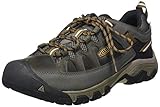 | 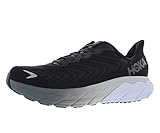 |  |  |  |  |  |  |  |  |  |  | |
Buying Options | |||||||||||||||
Our Ratings | Best Overall Men's | Best Budget | Most Versatile | Most Comfortable | Best for Summer | Best for Technical Trails | Best Appearance | ||||||||
Pros | Robust whilst feeling light and aerodynamic, excellent traction | Great value. Breathable and water resistant | Striking Design. Makes use of recycled material | Comfortable. Very durable | Light weight. Extremely comfortable and quick to bed in | Relatively lightweight. Good support | Very lightweight. Very comfortable | Rugged build. Clean, minimal sytling | Very low weight. They look great! | short break in, comofrtable, tread grip is substantial | Bargain price. Well made | Reputaton for comfort. Resaonably priced | Relatively light weight. They Look Good | Very comfortable. Low weight | Durable build. Extremely comfortable |
Cons | Fast lacing system won't be for everyone | Not the lightest. They might look a little plain for some | Pricey. Sole material can look tatty with time | Dated design. Pricey | Not as water resistant as some competitors. Divisive Styling | Styling may not be to eveyone's taste. Pricey | Not as durable as some competitors. Not suitable for very cold or wet conditions | Took a little while to break in. We wish there was a little more ankle support | Pricey. Soft rubber sole may wear quickly | Limited range of colors. Long term durability concerns | Limited Color choices. Not the Lightest | No the lightest
design and color choices may seem dated to some | Slightly vague sustainability credentials. Sizing guidance is confusing | Limited choice of colors. Potential long-term durability issues | No waterproofing. Limited color choice |
Traction | Very good | Good | Continental outsole with medium/deep thread pattern | Full rubber outsole with deep thread pattern | Very Good | Full rubber outsole with medium/deep thread pattern | Very Good | Full rubber sole with medium/deep thread pattern | Rubber outsole with deep thread pattern. Uses 'Black Label' Sticky rubber for better grip. | Vibram outsole with medium/deep thread pattern. | Full rubber outsole with medium/deep thread pattern | Vibram outsole with medium/deep thread pattern. | Very Good | Very Good | Very Good |
Breathability | Very good | Good | Fine mesh upper with Gore-Tex membrane | Mesh sections on upper backed with waterproof membrane | Very Good | Breathable mesh upper with Gore-Tex | Very good | Minimal use of mesh, and unvented leather in main body of shoe but there is a Gore-tex membrane the boot is not insulated. | Breathable 'BD.dry' waterproof lining with some mesh sections. However unperforated leather will limit breathability. | Mesh lining backed with Gore Tex membrande | Breathable mesh upper with 'Isotex' waterproof membrane. | Breathable mesh upper with waterproof membrane | Good | Good | Very Good |
Ankle Support | Minimal but feels supported | Minimal | Medium - Mid height boot. Support can be adjusted via lacing | Minimal - Low top shoe with minimal ankle support | Minimal | Good - Mid height design with adjustable tensioning via laces | Minimal | Medium - Mid height boot. Support can be adjusted via lacing | Minimal - Low top shoe with minimal ankle support | Minimal - Low top shoe with minimal ankle support | Good - Mid-height design with ankle collar adjustment via laces. | Minimal - Low top shoe with minimal ankle support | Minimal | Minimal | Minimal |
Arch support | Regular | Regular | Gently moulded arch support in insoles | Subtle arch support | Very good | Subtle arch support | Regular | Subtly shaped inner section offers gentle arch support | Subtle arch support | Subtle arch support | Moulded nylon arch shank | Regular | Regular, but rocker-style sole may help comfort for some wearers | Regular | |
Fit | Fits true to size - regular | Regular - can run slightly large | Available in sizes from US 6/UK 5.5/ EU 38.6 up to US 15/UK 14.5/EU 50.6. Suitable for normal to wide feet. Runs small, so recommended to buy a slightly larger than normal size. | Meant to be very comfortable for a slighhtly wider foot - with lots of toe room. Available in sizes from US 7/uk 6/EU 39.5 up to US 16/UK 16/EU 49 | Regular | Availalble in standard and wide versions. Available in sizes from US 5.5/UK 5 /EU 38 up to US 14/UK 13.5/ EU 49.5 | Regular | Available in standard and wide fit. Standard is good for narrow/normal width feet. Available in sizes from US 7/ UK 6.5/EU 40 up to US 15/UK 14.5/ EU 50.6 | Typically suitable for normal width feet. Some reports indicate it's wise to size up a little. Availalble in sizes from US 6/UK 5/EU 38 to US 14/ UK 13/ EU 48.5 | Santadard - nothing to note, can be good for wide feet and standard feet may be a bit wide for narrow feet. Available in sizes from US7.5/UK 6.5/EU40 to US 16/UK 15/ EU 51 | Suitable for normal to wide feet. Available in sizes from US6.5/UK 6/EU 39.3 to US 12.5/UK 12/EU 48 | Suitable for normal width feet - have a reputation for out-of-the-box comfort. Also available in a wide version. Available in sizes from US 7/UK 6.5/ EU 40 up to US 16/ UK 15/EU 51 | Regular - can run a little small | Regular to narrow fit | Regular and Wide versions available |
Materials | Synthetic | Fully synthetic | Fully synthetic with Gore-Tex membrane. Minimum of 50% recycled material used in upper. High density foam sole can degrade with time. | Nubuck Leather and synthetic upper with Waterproof Membrane | Synthetic and nubuck leather | Fully synthetic with Gore-Tex membrane | Fully synthetic | Suede and synthetic with Gore-Tex membrane | Nubuck leather and synthetic | Nubuck Leather and synthetic upper with Gore-Tex Membrane | Fully synthetic with waterproof Isotex membrane | Pig suede and synthetic. Mesh lining, laces and webbing are made from 100% recycled materials. | Fully synthetic | Fully Synthetic | Suede leather and synthetic |
Appearance | Modern, grippy hiking shoe | Modern hiking shoe | Ultra-contemporary style with a wide range of colour ways - many are quite vivid | Slightly dated styling compared some newer designs | Modern hiking shoe with oversized sole | Contemporary styling. Available in a number of colour ways ranging from neutral to very striking. | Modern running shoe | The sytling is reminiscent of a hi-top basketball boot, but with with a clear modern interpretation. | Contemporary styling referencing classic sports shoe. Available in two colour ways | Design inspired by traditional hiking shoes. Limited color choices | Unintrusive styling. Available in a range of colours - some with vivid colour accents. | Unintrusive styling. Available in a range of colour options - mostly muted, 'earthy' colours. | Modern hiking shoe | Modern hiking shoe with oversized sole | Modern hiking shoe in earthy colors |
Durability | Very good | Good | Medium to high | High | Good | Medium to high | Good | High | High | Medium to high | Medium to high | Medium to high | Very good | Good | Excellent |
Weight (pair) | 800g/1lb 11.2oz (pair) | 833g/1lb 14oz (pair) | 910g/2lb | 861g/1lb.14.8oz | 706g/1lb 9oz (pair) | 940g/2lb 1oz | 642.8g/1lb 7oz (pair) | 1048g/2lb 5oz | 666g/1lb 7oz | 950g/2lb 1.5oz | 1080g/2lb 6oz | 900g/2lb | 790g/1lb 12oz (pair) | 646g/1lb 7oz | 822g/1lb 13oz (pair) |
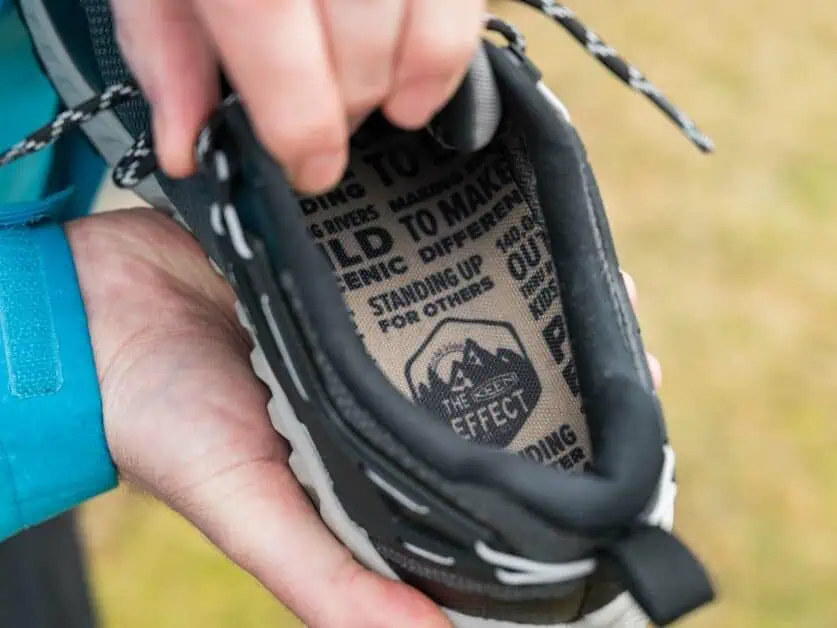
Insoles | Padded removable insole | Padded removable insole | Removable insoles | Removable, dual-density EVA footbeds cushion your stride | Padded removable insole | Removable insoles | Padded removable insole | Removable three-layer cushioned insoles | Removable insoles | Removable insoles | Removable foam insoles | Removable insoles | Padded removable insole | Padded removable insole | Padded removable insole |
Break-in Period | Minimal | Minimal | Minimal | Straight away | Minimal | Minimal | Minimal | Medium | Minimal | Meant to be able to wear straight out the box | Minimal to medium | Minimal | Minimal | Minimal | Minimal |
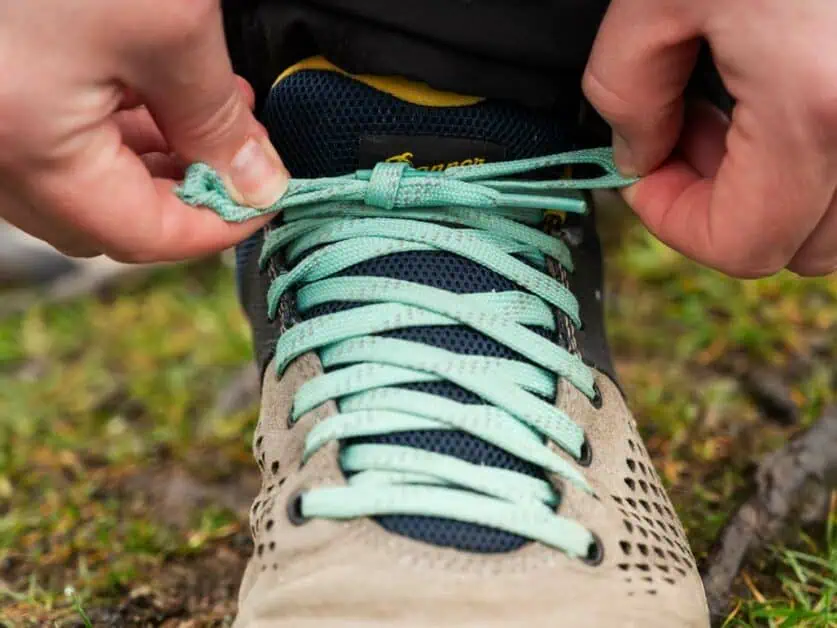
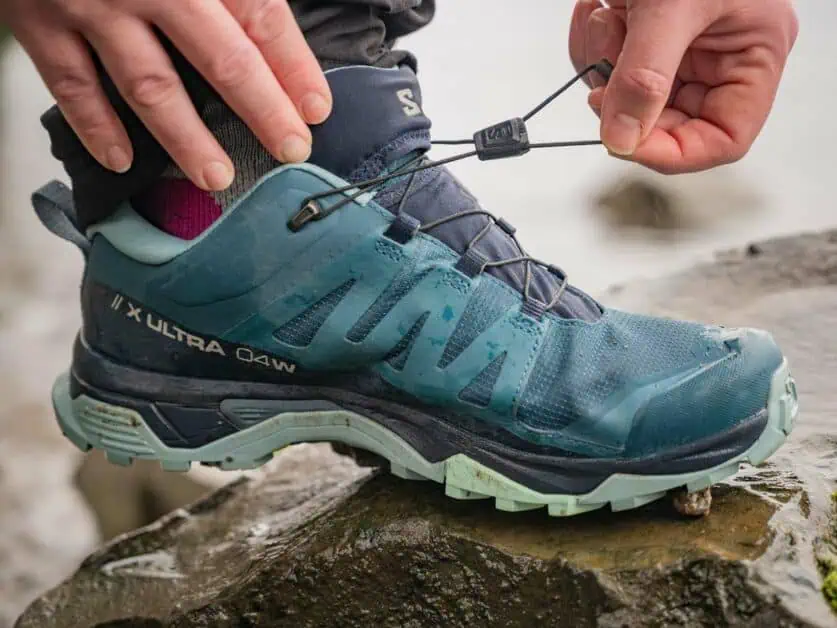
Lacing system | Quick lacing system | Regular laces | Standard laces | Standard laces | Regular laces | Multizone lacing system allows control over fit | Regular laces | Standard laces | Standard laces | Standard laces | Multizone lacing system allows for precise fit control | Standard Laces | Regular laces | Regular laces | Regular laces |
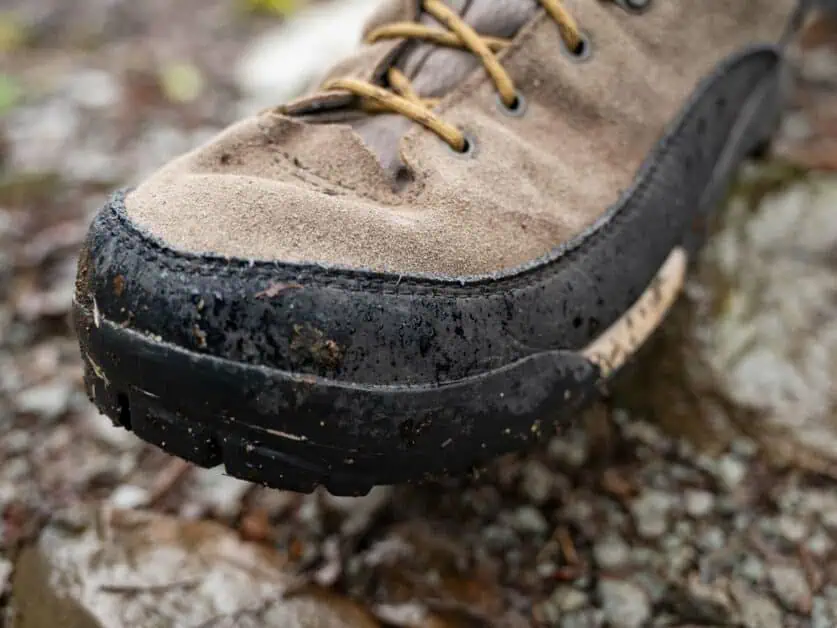
Toe Protection | Reinforced rubber rand on toe | Reinforced rubber cap on toe | Hardened rubber toe cap and thin but full boot rand. | Hardened rubber toe cap | Reinforced rubber cap on toe | Hardened rubber toe cap | Reinforced rubber cap on toe | Hardened rubber toe cap and full boot rand. | Hardened rubber toe cap | Hardened rubber toe cap | Hardened rubber toe cap and rand on front section | Hardened rubber toe cap and rand on front section | Reinforced rubber rand at front | Reinforced rubber cap on toe | Reinforced rubber rand and toe cap |
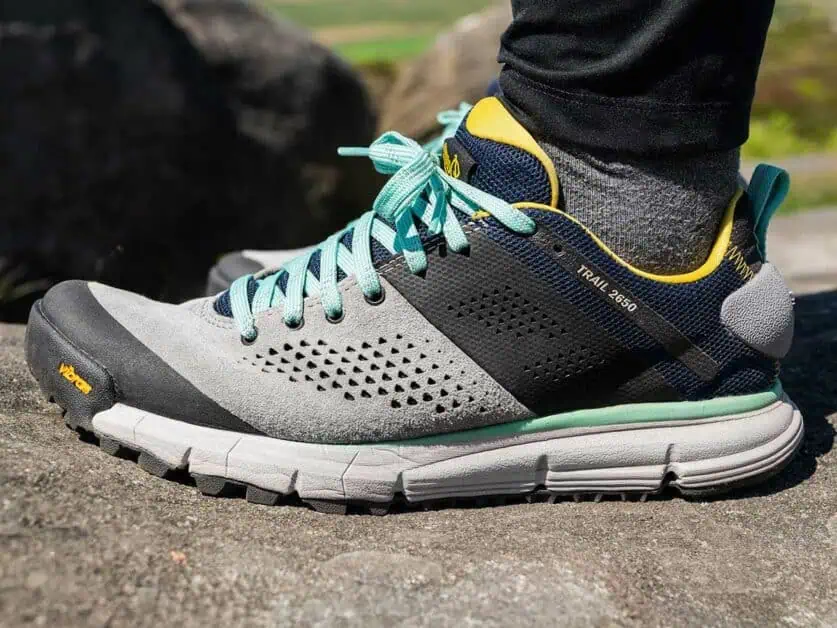
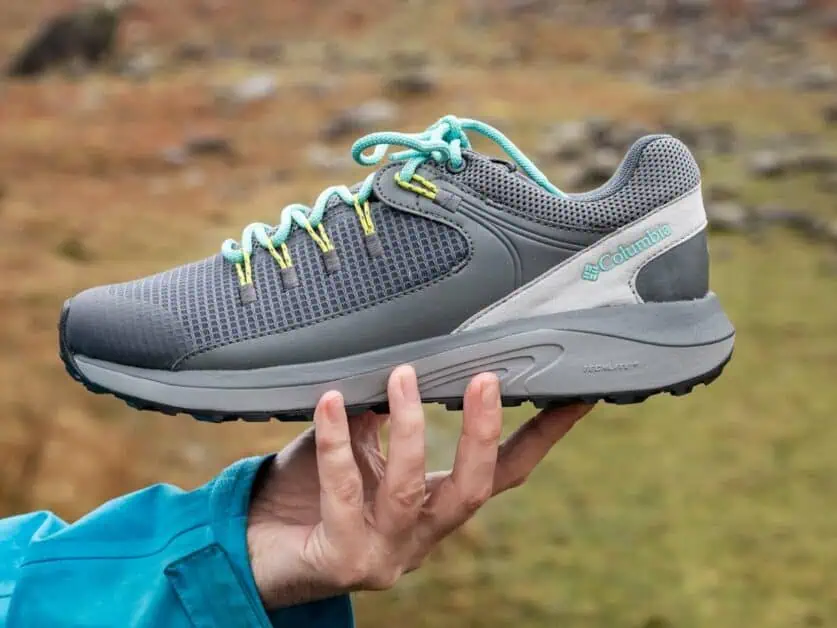
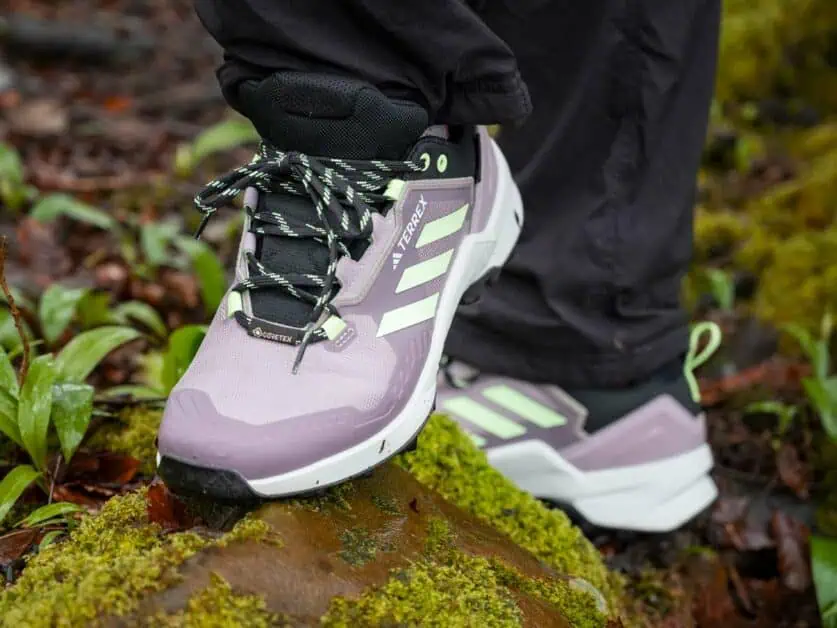
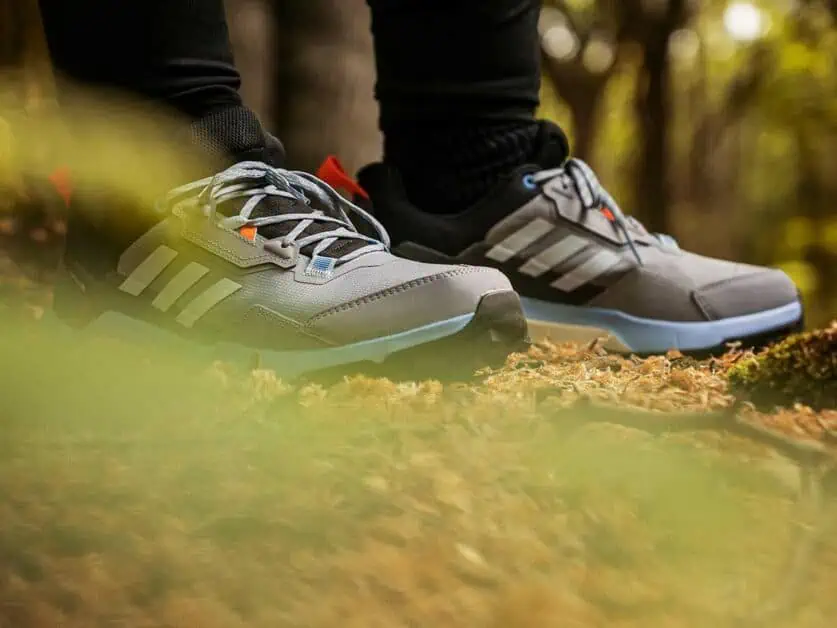
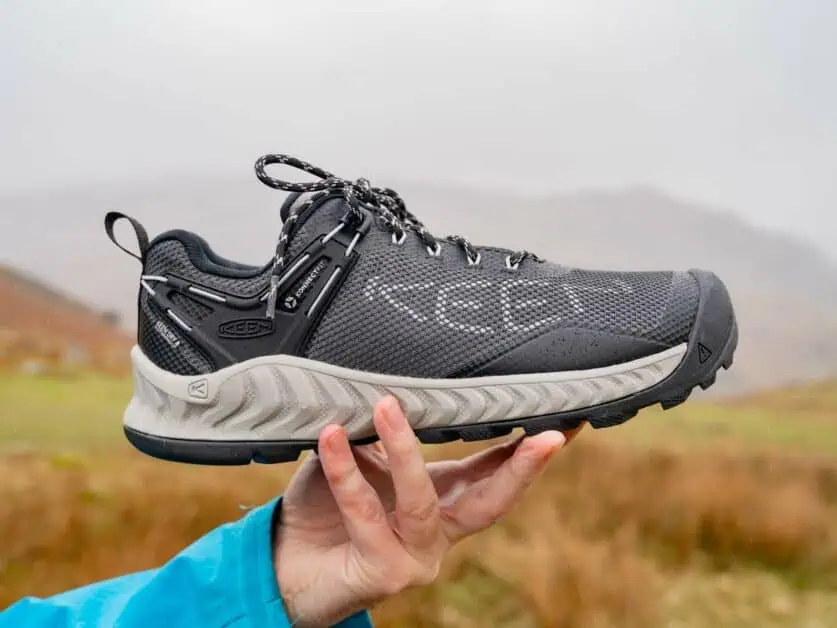
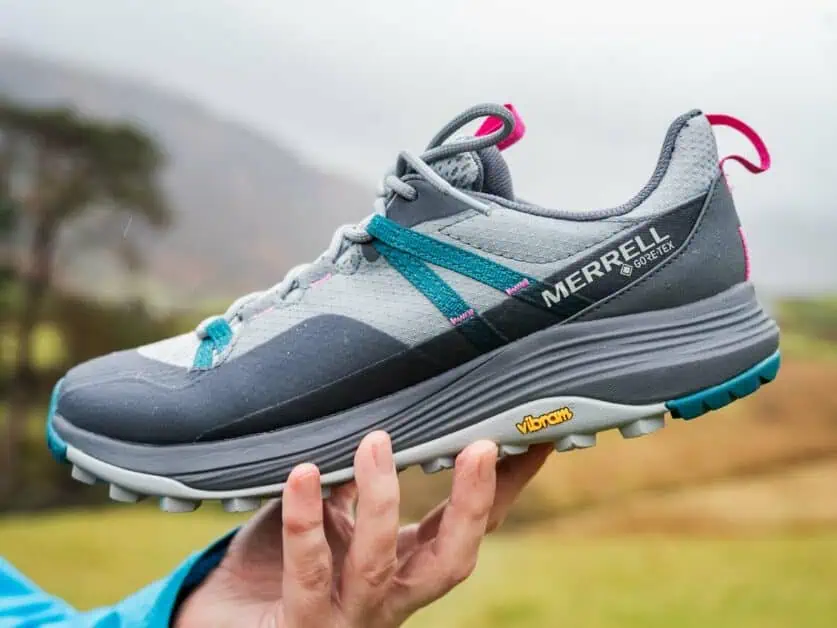
Product | Danner Womens Trail 2650 | Columbia Women's Trailstorm | Hoka Speedgoat 5 | Adidas Terrex Swift R3 Gore-Tex | Keen Zionic Speed | Altra Lone Peak 7 | Adidas Terrex AX4 Gore-Tex Hiking Shoes | Keen NXIS EVO Low Height Waterproof Hiking Shoe | La Sportiva Spire GTX | Merrell Moab Speed | Oboz Sawtooth X Low Waterproof | On Cloudwander Waterproof | Merrell Siren Edge 3 |
 | 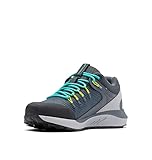 |  |  |  |  |  |  |  |  |  |  |  | |
Buying Options | |||||||||||||
Our Ratings | Best Overall Women's | Best Budget | Best Lightweight | Best for Winter | Best for Long Distances | Best for Trail Running | |||||||
Pros | Durable build. Extremely comfortable | Exceptionally good hiking shoe for the price point. Clever traction design in the lugs | Extremely well cushioned and comfortable fit. Deep lugs offer good traction on slippery surfaces | Well protected and durable. Great traction and feels very grippy | A great fast and light shoe. Roomy toe box, and comfortable for wider feet
| Roomy toe box. Excellent traction. | Striking design. Makes use of recycled material | Light weight. Good environmental credentials | Light Weight. Ultra breathable | Lightweight. Iconic Moab fit and comfort | Durable build. Good water resistance | Excellent balance of weight and waterproofing. Stiffer design gives a more technical feel | Very light. Often very reasonably priced |
Cons | Not the cheapest. We found they didn't keep our feet warm in wet conditions | Breathability concerns in warmer temperatures | Colorways are divisive. lacking in stiffness between outsole and midsole | Pretty rigid - not the most fast and light shoe on the market, can feel a little big | Not waterproof. Durability concerns on the sole
| Less durable. Pricey | Looks may be too much for some. Slightly narrow fit may be unsuitalbe for wider feet. | May not be best fit for narrower feet. A bit pricey | Pricey. Some may prefer a more rigid shoe | Not most supportive. More expensive than the regular Moab | Heavy. Longer break-in period | Some may find them too stiff. Can be pricey. | Not Waterproof. Some durability concerns |
Traction | Vibram outsole with medium/deep thread pattern | Extremely good | Very good | Extremely good | Average | Full rubber outsole with medium/deep thread pattern | Continental outsole with medium deep thread depth | Full rubber outsole with medium thread depth | Vibram outsole with deep thread pattern | Vibram outsole with medium/deep thread pattern. | Very good | Very good | Good |
Breathability | Perforated suede outer with breathable mesh inner | Not so great | Good | Good, but Gore-Tex membrane does play in here | Excellent | Full mesh upper | Breathable mesh upper with Core-Tex membrane | Breathable mesh upper and lining with anti-odor treatment | Breathable mesh upper with Gore-Tex | Full mesh upper | Average | Good | Very good |
Ankle Support | Minimal - Low top shoe with minimal ankle support | Minimal | Minimal | Minimal | Minimal | Minimal - Low top shoe with minimal ankle support | Minimal - Low top shoe with minimal ankle support | Minimal - Low top shoe with minimal ankle support | Minimal - Low top shoe with minimal ankle support | Minimal - Low top shoe with minimal ankle support | Minimal | Minimal | Minimal |
Arch support | Gentle arch support | Regular | Regular | Regular | Minimal | Gentle | Subtle arch support | Gentle arch support | Gentle arch support | Gentle | Good | Regular | Regular |
Fit | Available in medium width and in sizes from US 5/ UK 3.5/ EU 36 up to US 11/ UK 9.5/ EU 44 | Regular | Standard/slightly wide | Regular/wide | Standard/slightly wide | Roomy and good for wider feet with natural movement. Available in sizes from US 5.5/UK 3.5/EU 36 to US 12/UK 10/EU 44.5 | Available in sizes from US 5/ UK 3.5 /EU 36 up to US 12/ UK 10.5/ EU 45.3 | Iconic Keen fit' - Wider fit with extra space at forefoot. Available in sizes from US 5/ UK 3.5/ EU 36 up to US 12/ UK 9/ EU 43 | Fits true. Typically suitable for normal to narrow feet. Available in sizes from US 5/ UK 3/EU 36 up to US 11/ UK 9/ EU 42 | Similar to the Moab 3 - but a little more narrow but still suitable for most hikers. Available in sizes from US 5/UK 2.5/EU 35 to US 11.5/UK 9/EU 43 | Normal and wide verisons available | Standard/slightly narrow | Normal and wide versions available |
Materials | Suede and synthetic | Synthetic | Synthetic | Synthetic with 50% recycled upper | Synthetic | Fully synthetic | Fully synthetic with Gore-Tex membrane. Adidas claims upper contains a minimum of 50% recycled material | Fully synthetic with waterproof 'KEEN.DRY' membrane | Fully synthetic with Gore-Tex membrane | Fully synthetic. Merrell claim these sheos are vegan. | Synthetic and leather | Synthetic | Synthetic |
Appearance | Modern design with classic elements and materials. Available in a wide range of colour ways. | Modern cross between hiking shoe and trail runner | Trail running shoe | Modern hiking shoe | Trail running shoe | A really nice looking shoe that could work well for multiple purposes such as hiking and trail running - with a variety of striking color designs | Striking angluar design available in a wide rang eof colour ways | Distinctive good looks available in multiple colour ways | Available in multiple colour ways with striking styling, typical of La Sportiva. | Does something inbetween a hiking shoe and trail runner and comes in a variety of striking colourways | Modern hiking shoe | Modern hiking shoe | Modern hiking shoe |
Durability | Very high | Considering the price point, seems durable | Average | Rip resistant synethetic finish with durable Continental sole | Longer term durability concerns | Medium to high | Medium to high | Medium to high | Medium to high | Medium to high | Excellent | Good | Some durability concerns |
Weight (pair) | 680g/1lb 08oz | 500g/1lb 3oz | 460g/1lb | 700g/1lb 7oz | 544g/1lb 2oz | 635g/1lb 4.5oz | 758g/1lb 11oz | 644g/1lb 6oz | 740g/1lb 10oz | 640g/1lb5oz | 800g/1lb 12oz | 640g/1lb 7oz | 560g/1lb 4oz |
Insoles | Removable three-layer cushioned insoles | Standard insole | Standard insole | Standard insole | Standard insole | Removable padded insole | Removable insoles | Removable padded insole | Removable padded insole | Removable padded insole | Paded, shaped 'O FIT' insole | Standard insole | Standard insole |
Break-in Period | Minimal | Minimal break in | Minimal | Minimal break in | Minimal break in | Very minimal | Minimal | Minimal | Minimal | Very minimal | Short break in period | Short break in period | Very minimal |
Lacing system | Standard laces | Ghillie lacing | Standard lacing system | Traditional laces | Traditional laces | Standard laces | Standard laces | Standard laces | Standard laces | Standard laces | Standard laces | Standard laces | Standard laces |
Toe Protection | Rubeerized, semi-rigid toe cap with rubber rand around front section of shoe | Rubber toe rand | Rubber toe rand | Rubber toe rand | Minimal rubber toe rand | Hard but not solid | Rubberized, reinforced, but non-rigid toe and front section | Hard, but not solid, rubber toe cap. | Non-rigid PU 'TechLite' toe cap | Hardened rubber toe cap | Reinforced toe | Rubber toe rand and small toe cap | Reinforced toe |